Skip to content
Explore the Adriatic

Where We'll Take You

From medieval island towns to hidden sea caves — every destination along the Dubrovnik coastline is a masterpiece waiting to be discovered by private speedboat.

Mljet National Park
National Park
National Park

Mljet National Park

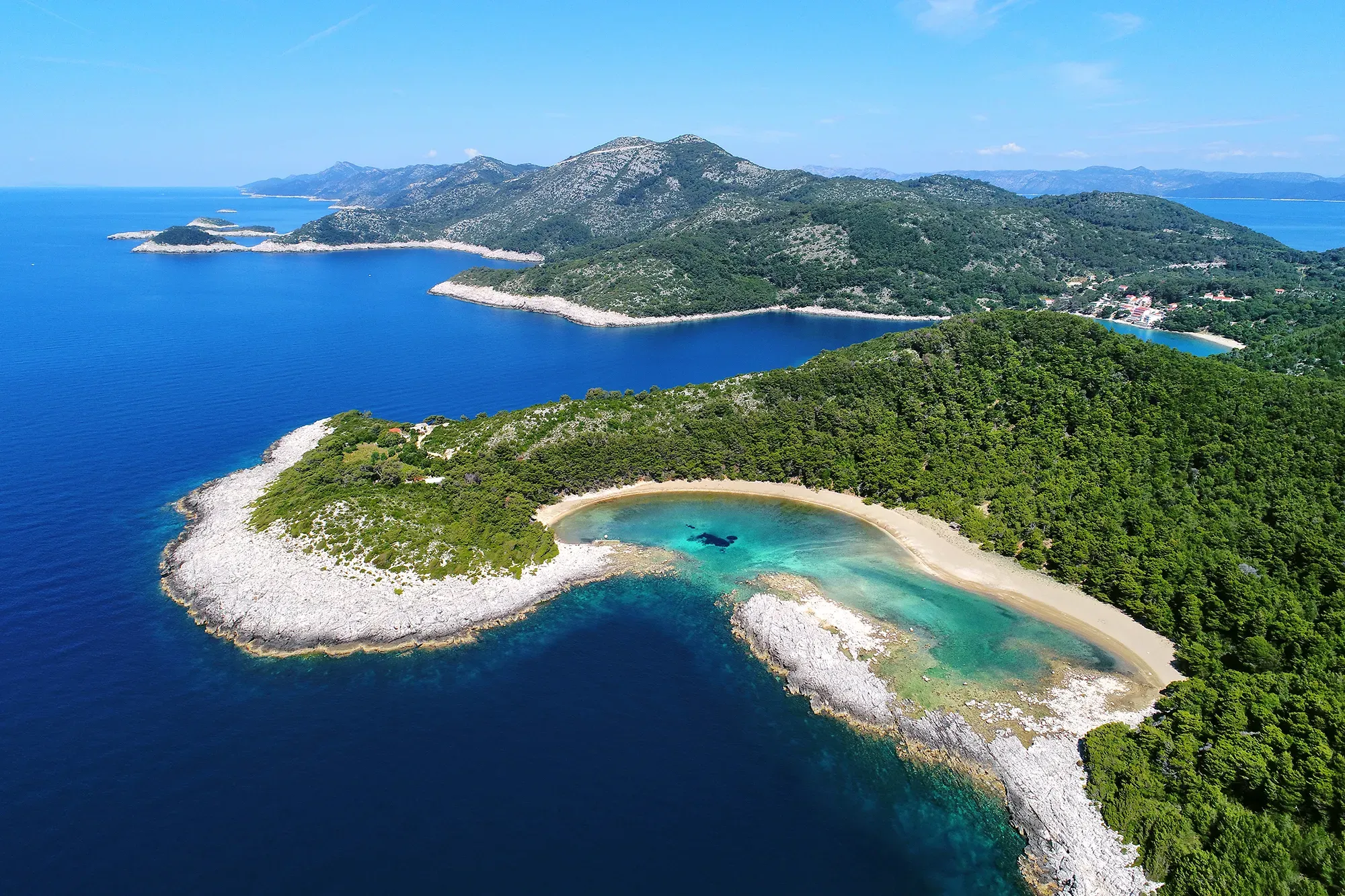
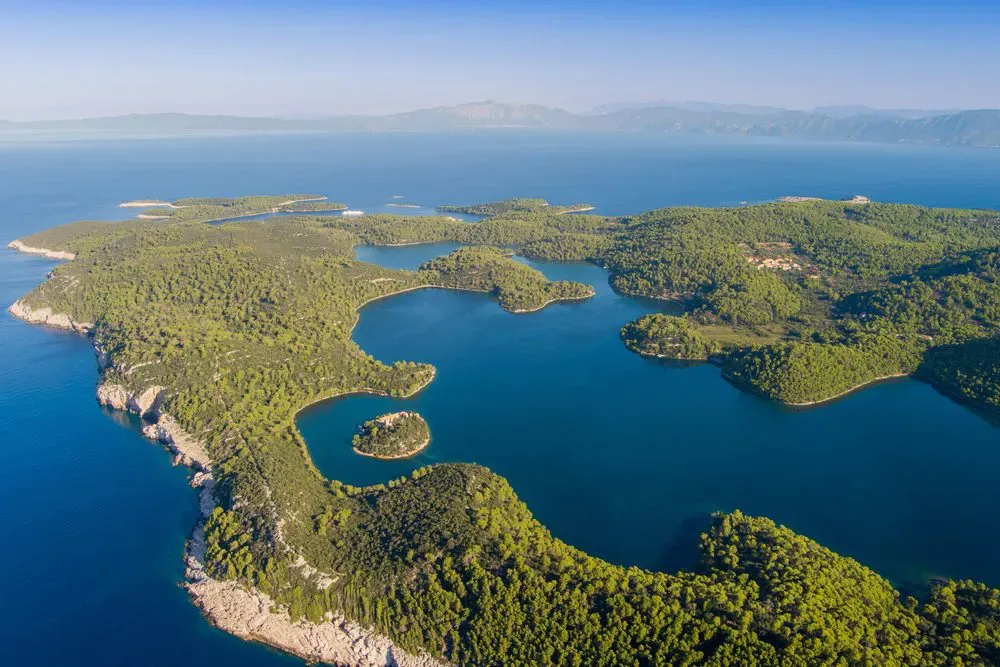
The western tip of Mljet — Croatia's greenest island, more than half of it covered in dense Mediterranean pine forest — was declared a national park in 1960, the oldest marine protected area in the Mediterranean. Two interconnected salt lakes, a 12th-century Benedictine monastery and miles of forest paths sit barely 60 minutes from Dubrovnik by private speedboat.

  • Veliko & Malo Jezero salt lakes
  • St. Mary's Island monastery
  • Pristine Mediterranean pine forest
  • Swimming, kayaking and cycling
Explore destination
Lopud Island
Island
Island

Lopud Island

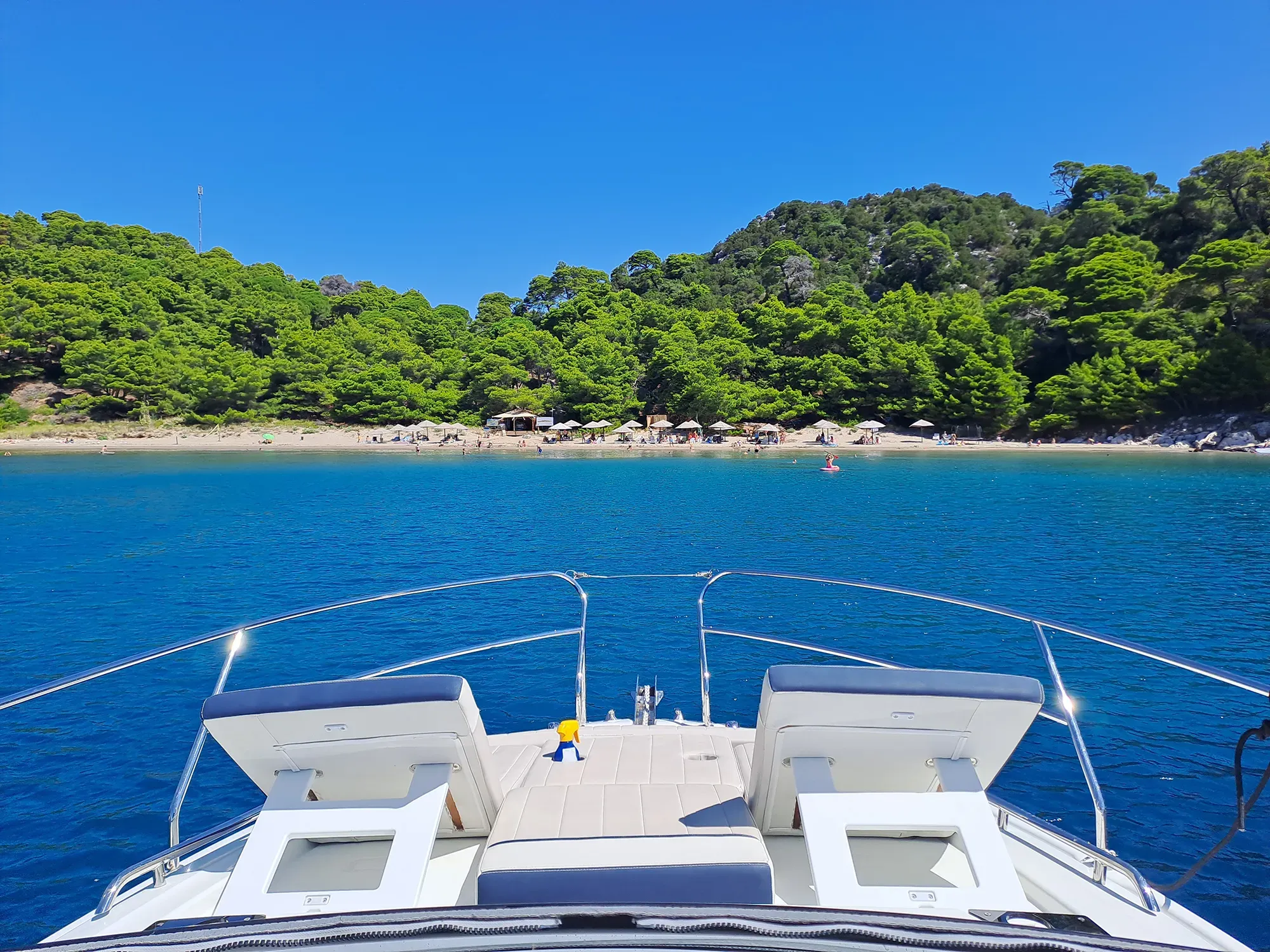
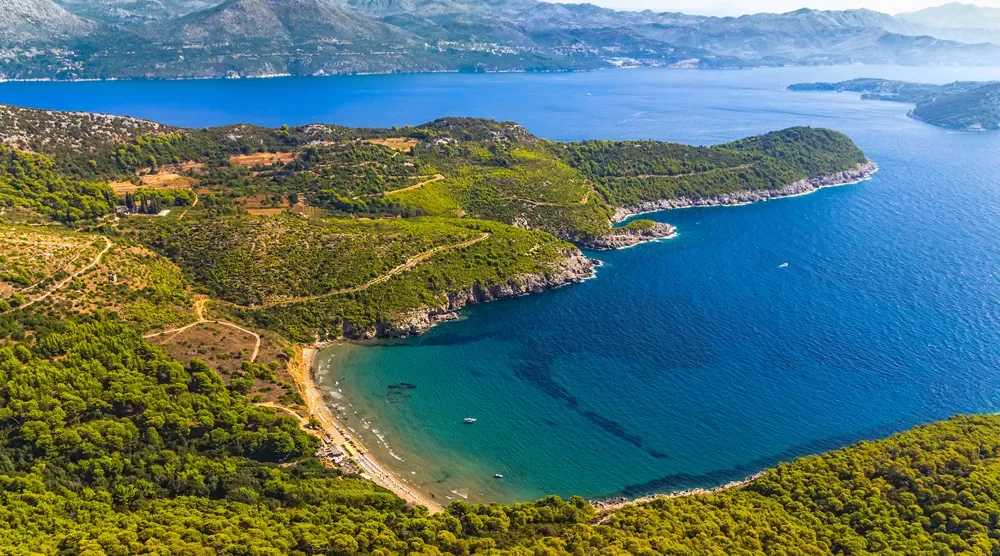
Lopud is the gem of the Elaphiti archipelago — a car-free island of pine forests, abandoned monasteries and a single, wide sandy bay called Šunj that is unlike anything else on the Croatian coast. Just 35 minutes from Dubrovnik by speedboat, it is the perfect half-day escape.

  • Šunj sandy beach with shallow water
  • Completely car-free island
  • Franciscan monastery and old villas
  • Pine forest paths and quiet coves
Explore destination
Dubrovnik Old Town
UNESCO Old Town
UNESCO Old Town

Dubrovnik Old Town

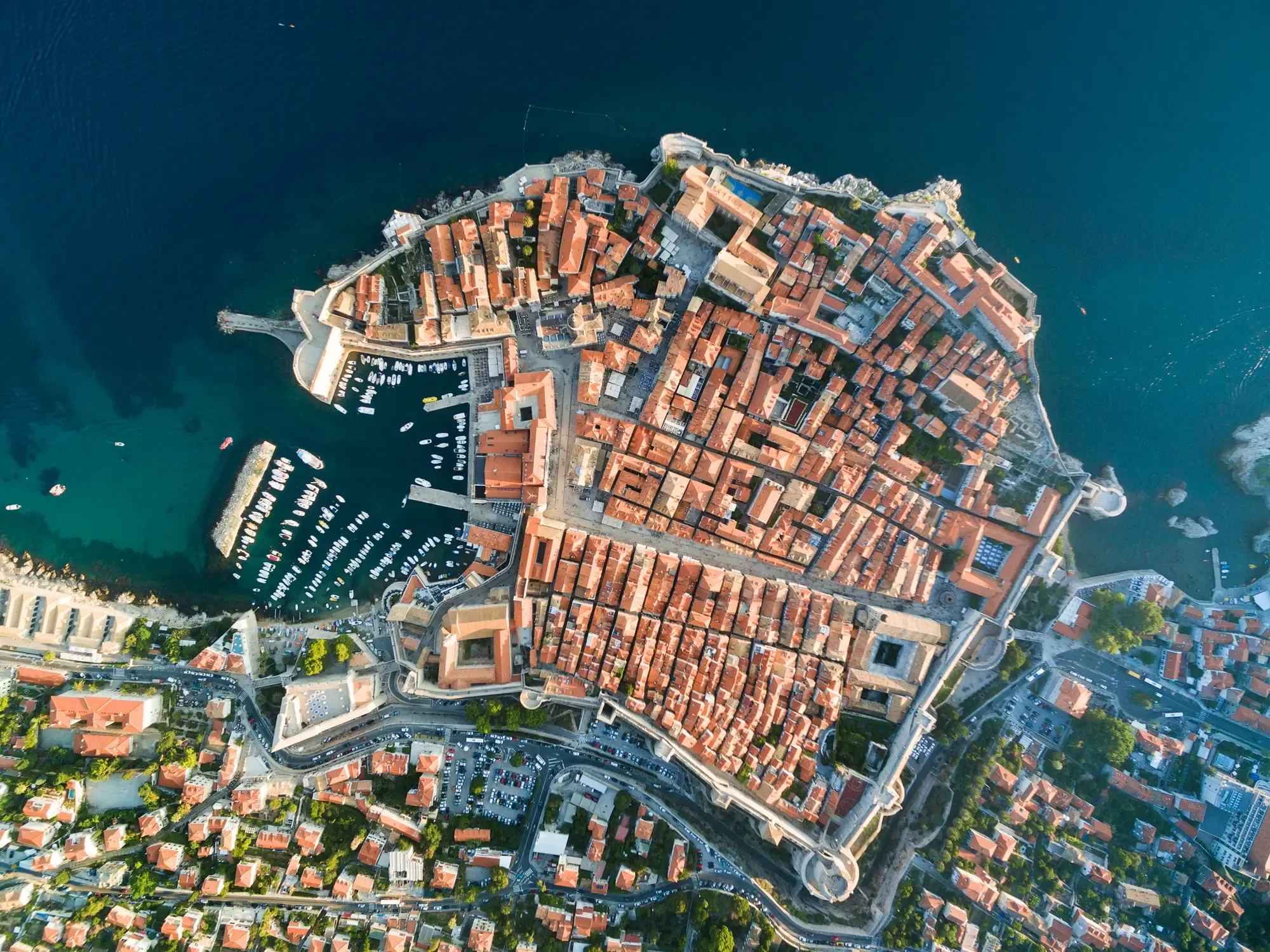
Dubrovnik's Old Town is the best-preserved walled medieval city on the Adriatic — nearly two kilometres of limestone fortifications, sixteen towers and three forts guarding an intact historic core that has been a UNESCO World Heritage Site since 1979. From a private speedboat you see what the architects of the Republic of Ragusa intended: a city that rises straight out of the sea.

  • 1,940 m of UNESCO-listed medieval walls
  • Fort Lovrijenac — Dubrovnik's 'Red Keep'
  • Stradun & Republic of Ragusa palaces
  • Real King's Landing filming locations
Explore destination
Green Lagoon Sjekirica
Hidden Lagoon
Hidden Lagoon

Green Lagoon Sjekirica

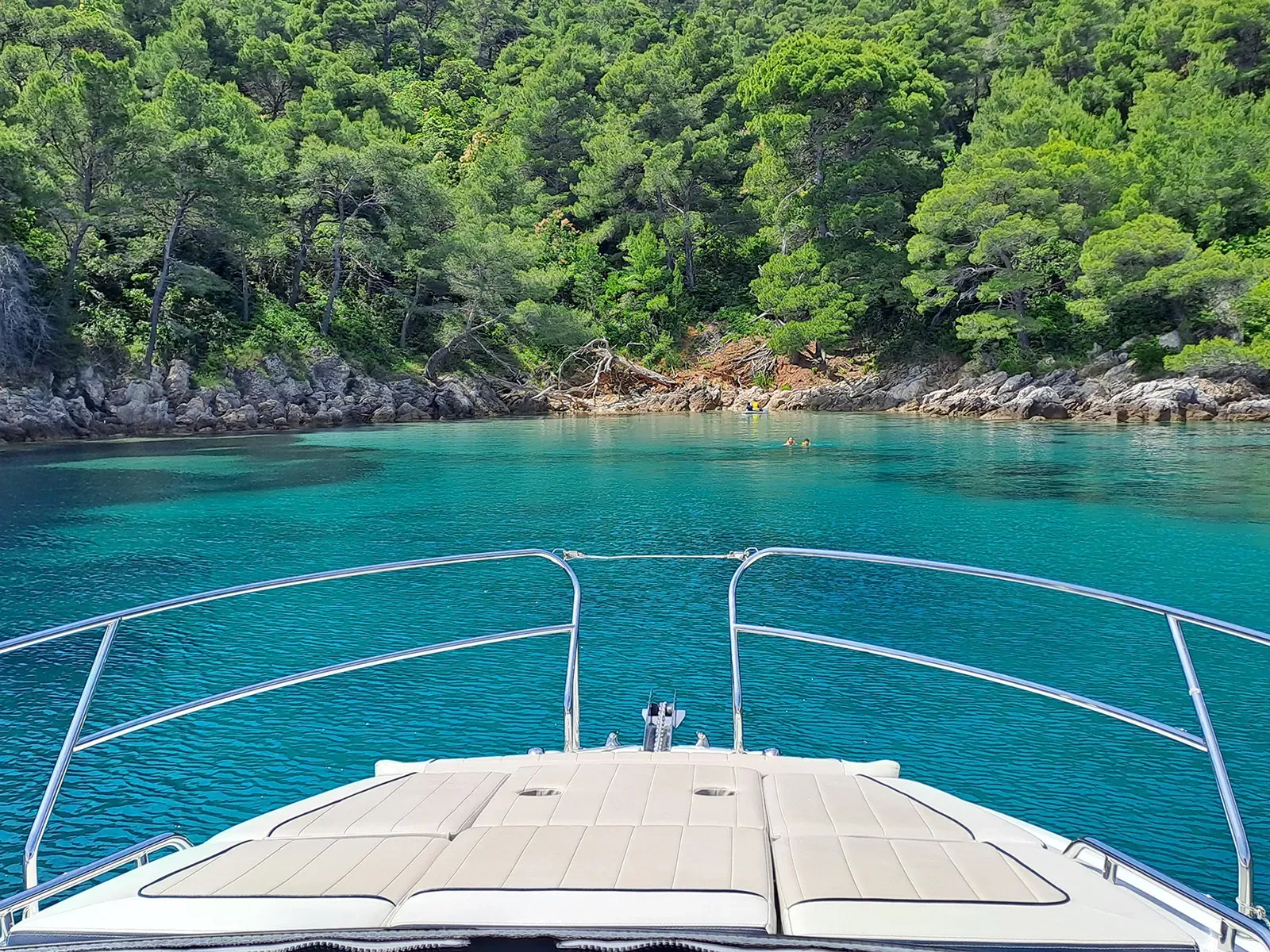
Sjekirica is a tiny hatchet-shaped peninsula north-west of Dubrovnik, tucked into the mainland near the village of Brsečine. A narrow rocky causeway — submerged at high tide — separates it from the shore and frames a small, impossibly clear green-blue lagoon. It is almost impossible to reach by land, which is exactly why it has stayed untouched.

  • Crystal-clear turquoise water
  • Hidden, uncrowded lagoon
  • Great snorkelling over shallow rocks
  • Paired with Elaphiti island tours
Explore destination
Lokrum Island
Nature Reserve
Nature Reserve

Lokrum Island

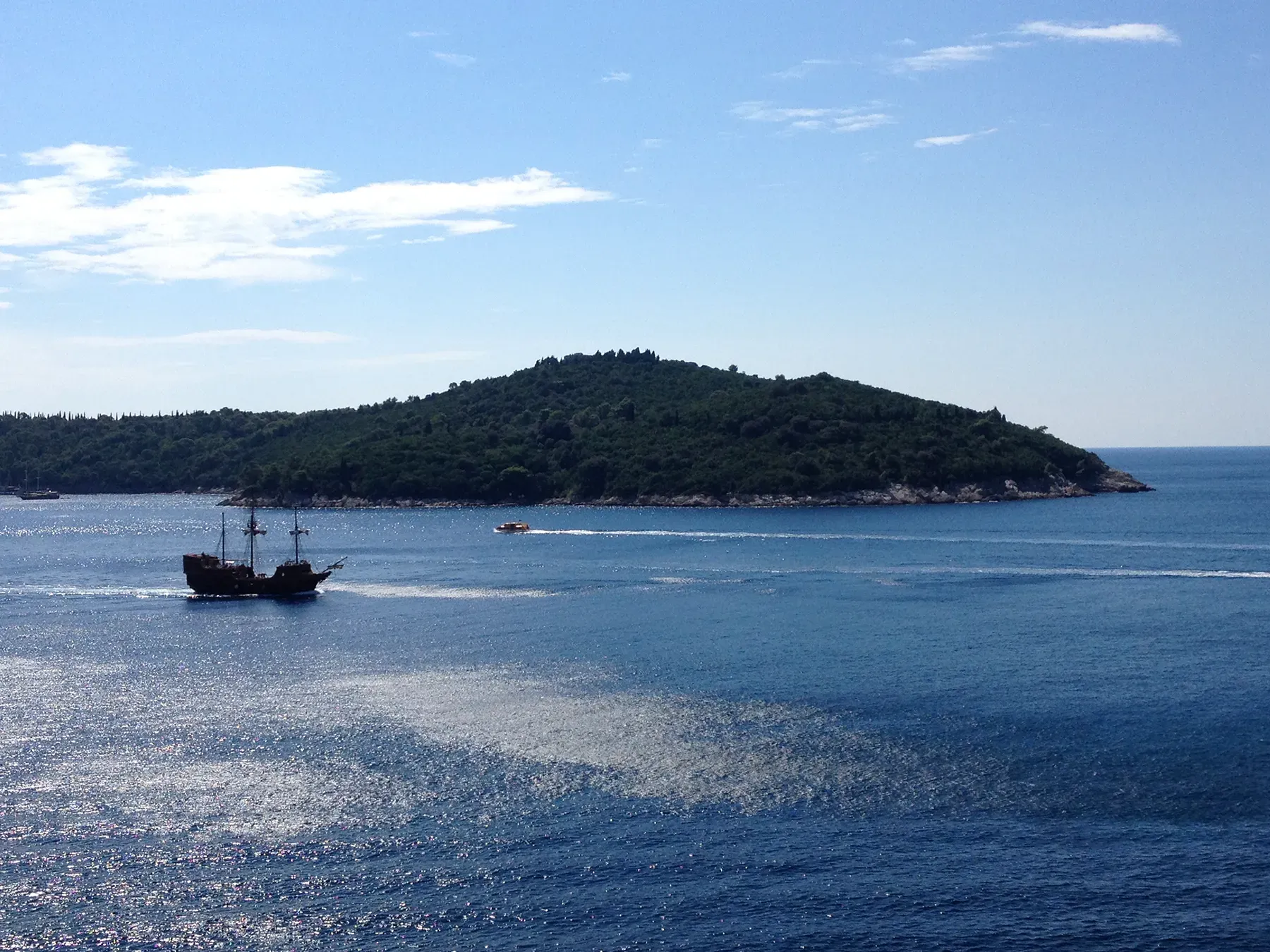
Lokrum is the forested island sitting 600 metres off the Dubrovnik shore — a 72-hectare nature reserve almost entirely covered in Mediterranean forest, with a 1,000-year-old Benedictine monastery at its centre, a salt-water lake known as Mrtvo More (the Dead Sea), free-roaming peacocks and a real Iron Throne in the old cloister. It is the closest, easiest island escape from the Old Town walls.

  • Botanical garden & Benedictine monastery
  • Mrtvo More — the salt-water 'Dead Sea'
  • Free-roaming peacocks & forest paths
  • Qarth & Iron Throne from Game of Thrones
Explore destination
Korčula Town
Marco Polo's Town
Marco Polo's Town

Korčula Town

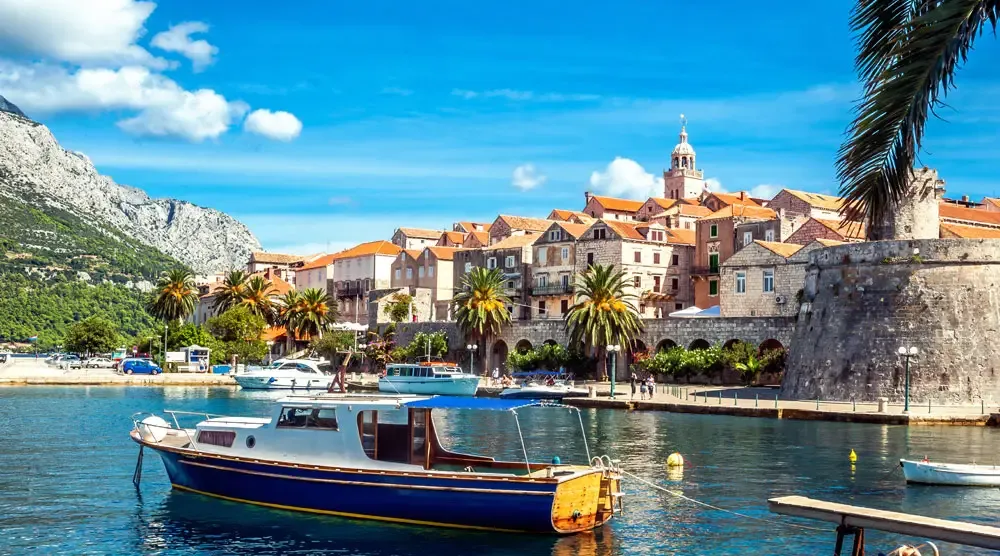
Korčula is one of the most perfectly preserved walled towns on the Adriatic — a tiny fortified peninsula on the eastern coast of Korčula island, full of narrow stone streets in a unique herringbone pattern, Renaissance palaces, the Cathedral of St. Mark and the house that tradition links to Marco Polo. Sometimes called 'little Dubrovnik', it sits roughly 90 minutes by private speedboat from the city itself.

  • Marco Polo's family home & museum
  • Cathedral of St. Mark — Renaissance carvings
  • Unique herringbone street layout
  • Pošip & Grk — Korčula's white wines
Explore destination
Betina Cave
Hidden Sea Cave
Hidden Sea Cave

Betina Cave

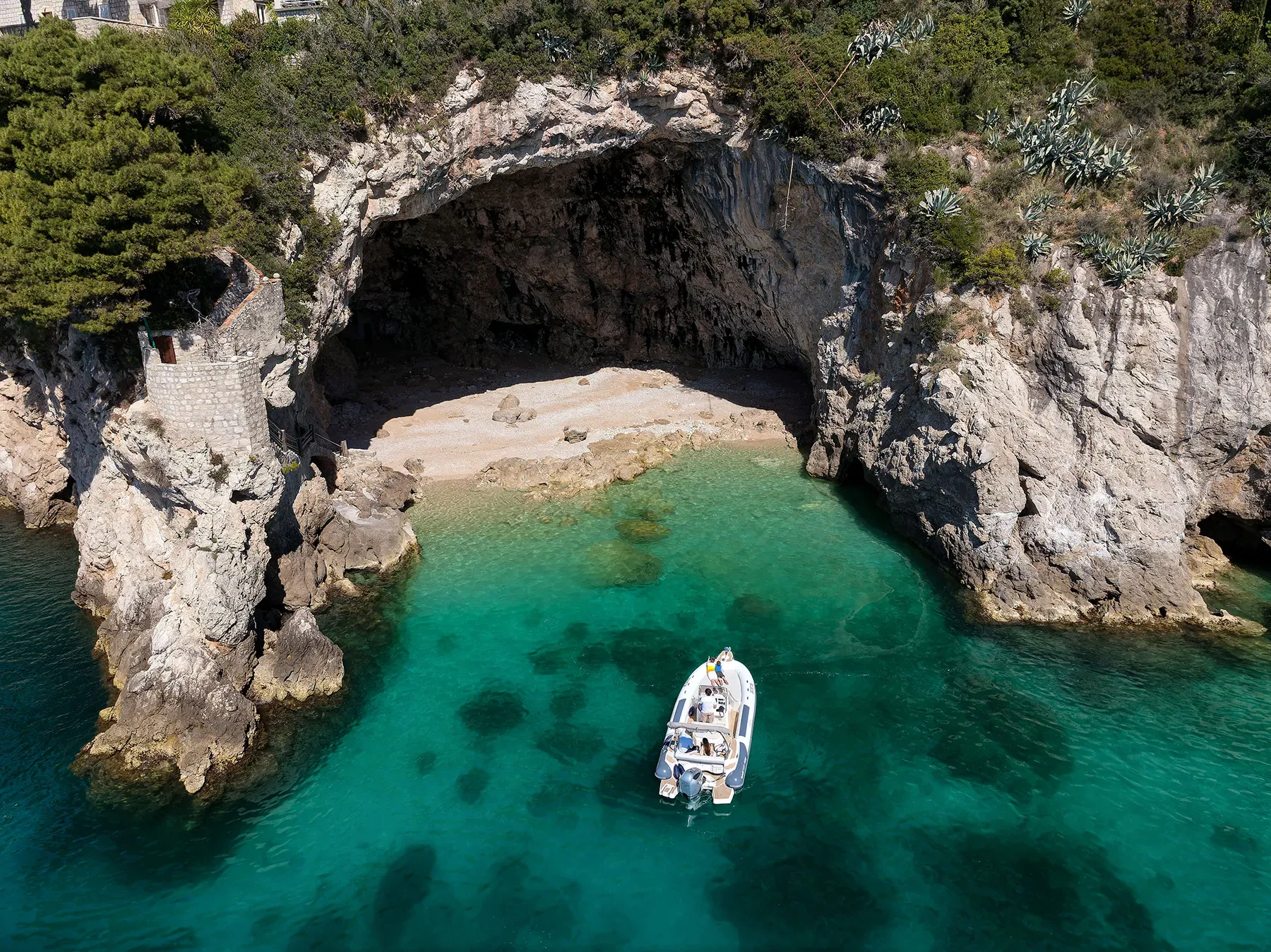
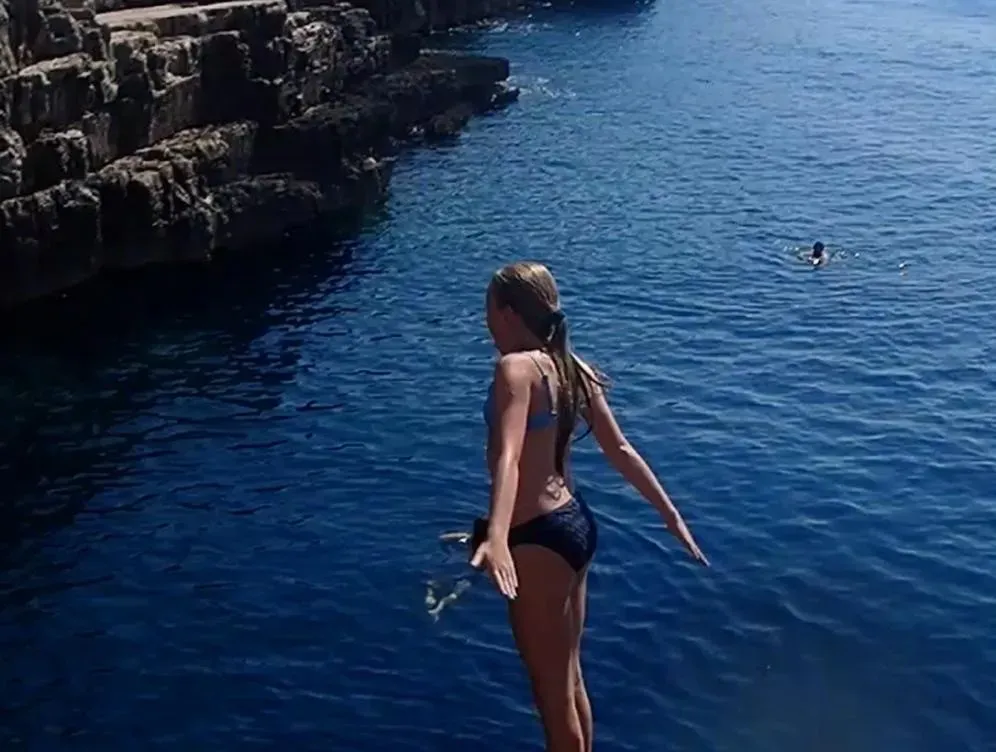
Betina Cave is a hidden sea cave cut into the limestone cliffs of the Ploče coast, just east of Dubrovnik's Old Town. Reachable only by boat, the cave opens onto a small pebble shore and a sheltered basin of crystal-clear turquoise water — and takes its name from the 17th-century Dubrovnik scientist who used it as a private laboratory.

  • Hidden cove accessible only by sea
  • Pebble beach inside a natural sea cave
  • Crystal-clear water for swimming and snorkelling
  • Named after 17th-century scientist Marin Getaldić
Explore destination
Blue Cave
Glowing Sea Cave
Glowing Sea Cave

Blue Cave

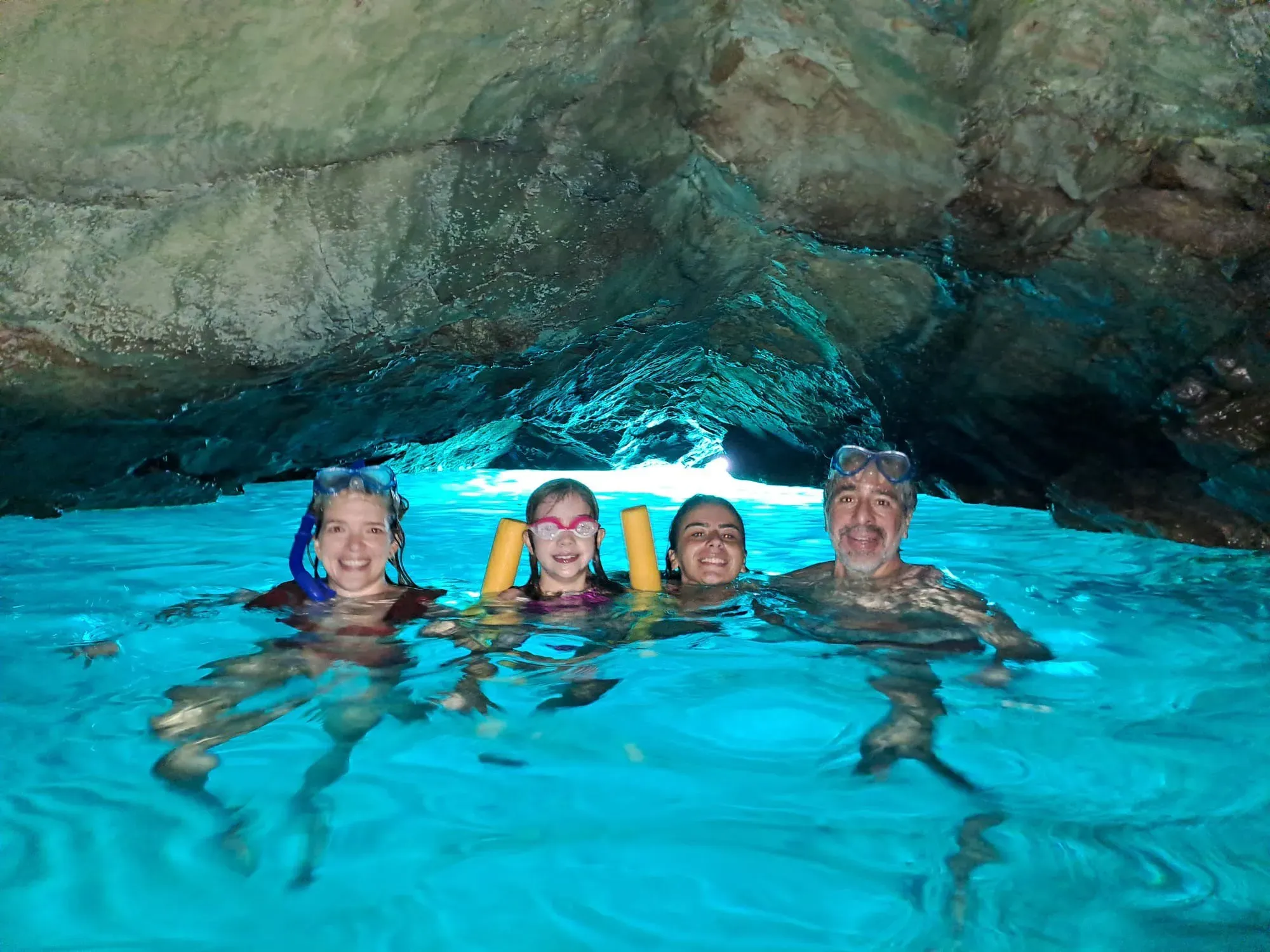
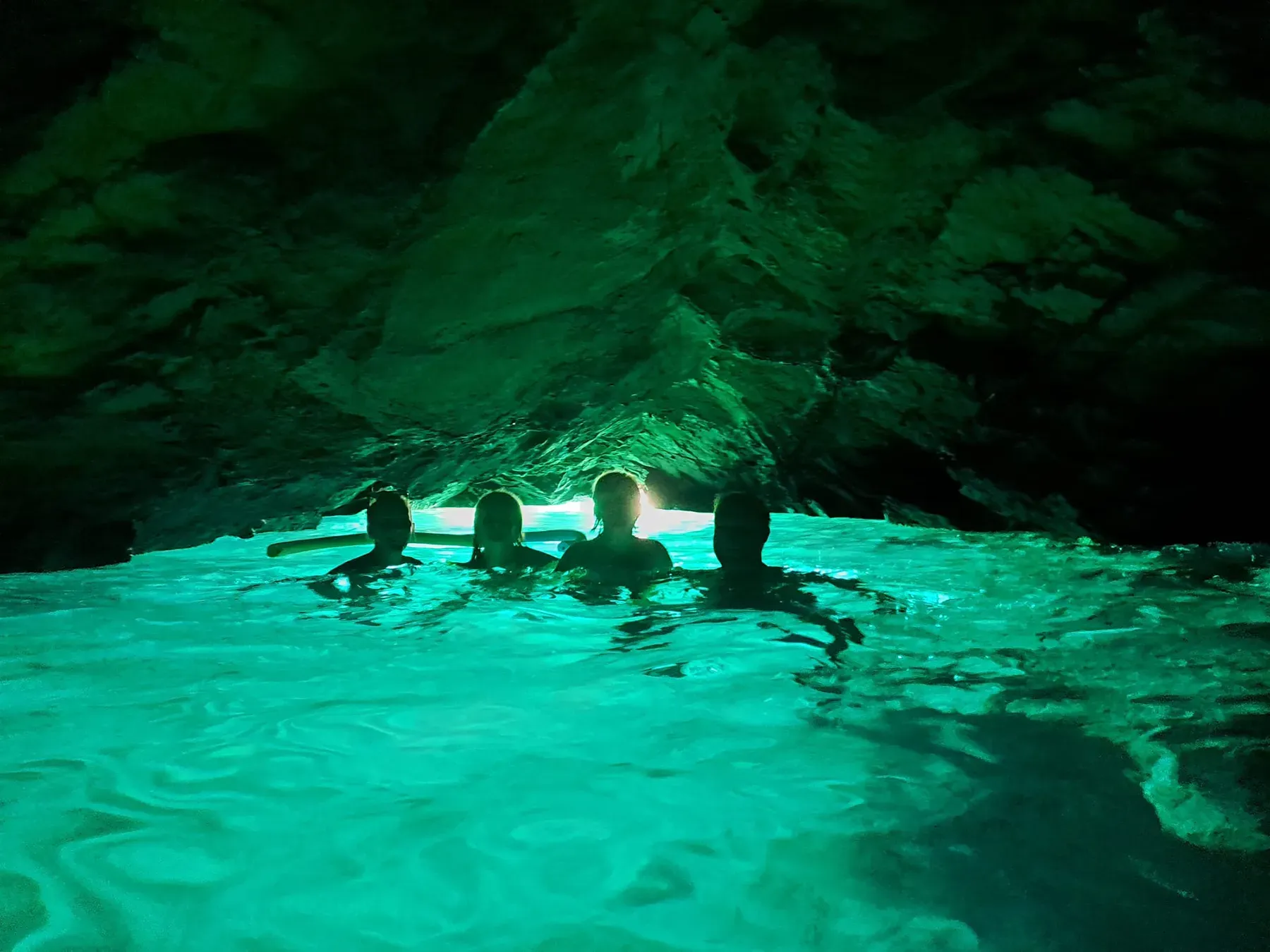
On the southern coast of Koločep — the nearest inhabited island to Dubrovnik — a natural chamber in the limestone cliffs holds one of the most striking light effects on the Adriatic. Sunlight enters through an opening roughly a metre and a half below the waterline and reflects off the pale seabed, flooding the cave interior with an intense blue glow. The only way in is to swim.

  • Electric blue glow from a submerged underwater opening
  • Hidden sea cave on Koločep's southern coast
  • Accessible only by swimming — no boats inside
  • Crystal-clear water ideal for snorkelling
Explore destination
Odysseus Cave
Mythological Sea Cave

Odysseus Cave

On the south coast of Mljet, below the village of Babino Polje, the limestone roof of a sea cave collapsed long ago and left an open chamber known locally as 'Jama' — the Pit. A twenty-metre tunnel at sea level connects it to the open Adriatic. According to local tradition, this is the Ogygia of Homer's Odyssey: the place where Odysseus was held by the nymph Calypso for seven years.

  • Collapsed sea cave with a skylit open chamber
  • 20-metre underwater tunnel to the open sea
  • Local legend: the Ogygia of Homer's Odyssey
  • Doubles as a fishing-boat shelter for Babino Polje
Explore destination
Kobaš Bay
Pelješac Fishing Bay

Kobaš Bay

Seven kilometres from Ston along the south coast of Pelješac, the hills close in and the road runs out — or until recently, did. Kobaš was accessible only by boat for most of its existence, earning the nickname 'island on the peninsula'. The bay is sheltered enough to moor comfortably, the beach is sand, and the two tavernas serving the jetty have been drawing sailors and private boats here for four decades.

  • Sheltered cove on the south coast of Pelješac peninsula
  • Two waterfront tavernas — Luka's (since 1985) and Gastro Mare
  • Mali Ston oysters, Plavac mali wine, Pelješac olive oil
  • Until recently reachable only by sea — known as the island on the peninsula
Explore destination
Saplunara Beach
Protected Sand Beach

Saplunara Beach

At the south-eastern tip of Mljet — the opposite end of the island from the National Park — the limestone coastline gives way to sand. Saplunara is a bay roughly a kilometre long, divided into Velika and Mala Saplunara, with Blaca (our Lemon Lagoon stop) around the headland. The sand comes from Pleistocene deposits, the shelf stays shallow well offshore, and the entire area has been protected under EU Natura 2000 legislation since 2013.

  • One of the few true sand beaches on the Croatian Adriatic
  • Natura 2000 protected dunes and Aleppo pine forest
  • Shallow shelf — under 2 m of water 30 m offshore
  • South-eastern tip of Mljet — opposite end from the National Park
Explore destination
Lemon Lagoon
Hidden Sand Lagoon
Hidden Sand Lagoon

Lemon Lagoon

Around the headland from Mala Saplunara, a rocky barrier reef runs across the mouth of the bay, narrowing the entrance to roughly eight metres. The result is a near-enclosed lagoon — known locally as Blaca, with the beach inside called Limuni, or Lemon Lagoon in English. Boats anchor outside; guests swim through. The restricted water exchange means the lagoon heats several degrees above the open sea, and there is nothing inside but sand, pines and quiet.

  • Almost-enclosed sandy lagoon at Mljet's eastern tip
  • Rocky barrier with an 8-metre passage to the open sea
  • Trapped water — several degrees warmer than the open Adriatic
  • No facilities, no crowds — sand, pines and silence
Explore destination
Ston
Walled Salt Town
Walled Salt Town

Ston

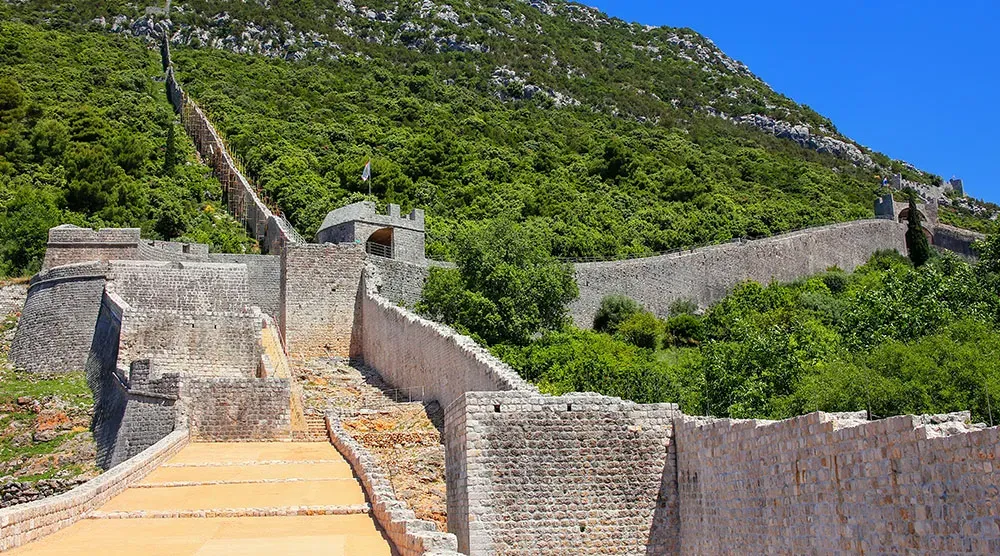
In 1333, the Dubrovnik Republic acquired the Pelješac peninsula and immediately built two new towns: Veliki Ston, beside saltworks recorded since 167 BC, and Mali Ston, across the ridge on the bay. To protect the salt — which contributed roughly a third of the Republic's income — they began building walls in 1358. What survives today is 5.5 kilometres of limestone fortification, the longest preserved system of its kind in Europe.

  • Europe's longest preserved fortification — 5.5 km, 40 towers, 5 fortresses
  • Oldest continuously operating salt works in Europe — first recorded in 167 BC
  • 2nd most important town of the Dubrovnik Republic, acquired in 1333
  • Mali Ston Bay — EU PDO oysters with grade-A water quality
Explore destination